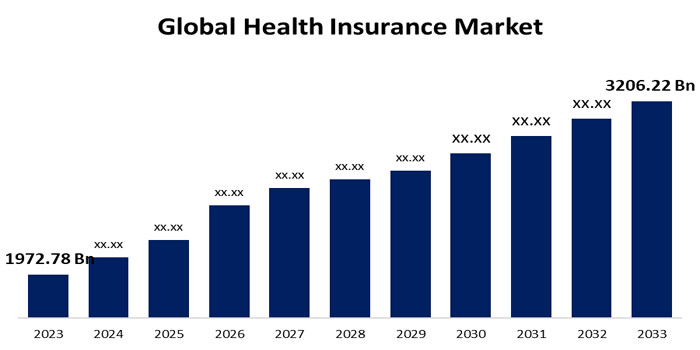
The Global Impact of Rising Private Health Insurance Costs
Private health insurance systems around the world are facing growing pressure as costs continue to rise and public support becomes more limited.
In 2025, one of the most influential developments has been the expiration of enhanced public subsidies for private health insurance in the United States. Although this policy change is domestic, its consequences extend globally, influencing insurer behavior, pricing strategies, and healthcare access, particularly in Asia where private insurance often plays a complementary role. Below The Health Universe will discuss it in more detail.
How Policy Changes in the US Affect the Global Insurance Market
Policy shifts in the United States have a significant impact on the global insurance ecosystem due to the size and influence of the US healthcare market. The expiration of public subsidies has made private health insurance less affordable for millions of Americans, resulting in reduced enrollment and increased financial risk for insurers. As fewer healthy individuals remain insured, insurers face higher claim ratios, prompting adjustments that ripple across international markets.
Multinational insurance companies often apply similar risk models and cost projections across regions. When instability occurs in a major market like the US, insurers reassess global strategies to maintain profitability and manage uncertainty. This reassessment can lead to higher premiums, stricter underwriting, or reduced benefits in other countries, even where local conditions differ.
Cost Control Through Benefit Adjustments
Insurers respond to increased financial pressure by narrowing coverage, limiting benefits, or introducing higher deductibles. These changes allow companies to reduce exposure to high medical costs while maintaining operational sustainability.
Repricing Based on Elevated Risk Levels
Premiums are recalculated to reflect higher projected claims and reduced risk pooling. This results in higher insurance costs not only in the US but also in markets where global pricing benchmarks are influenced by American data.
Strategic Market Reallocation
Insurance providers may shift investments toward regions with stronger regulatory stability or balanced public-private healthcare systems, reducing focus on markets perceived as higher risk.
Also Read: Your Health, Your Choice: The Power of Private Health Insurance
The Growing Pressure on Private Health Insurance in Asia
Asian healthcare systems are increasingly affected by global insurance trends. In many Asian countries, private health insurance supplements public healthcare by offering faster access, broader provider networks, and higher service quality. However, rising global medical costs and insurer adjustments have placed upward pressure on premiums across the region.
Middle-income households in countries such as Indonesia, Malaysia, Thailand, and Singapore are experiencing reduced affordability. As premiums rise and policy terms become more complex, consumers are reevaluating the value of private insurance. Governments are responding with regulatory reforms, co-payment structures, and benefit caps to maintain system sustainability, though these measures often shift more financial responsibility to individuals.
Reduced Affordability for Middle-Income Families
Higher premiums strain household budgets, forcing families to downgrade coverage or exit private insurance entirely, increasing reliance on public healthcare services.
Higher Out-of-Pocket Medical Expenses
Policy exclusions, coverage limits, and co-payment requirements result in greater direct costs for insured individuals, even when they maintain active coverage.
Declining Consumer Confidence in Insurance Products
Complex policy language and unclear benefit structures make it difficult for consumers to compare plans, reducing trust in private health insurance providers.
Long-Term Implications for Healthcare Access
The combination of reduced public subsidies in developed markets and rising private insurance costs worldwide raises concerns about equitable healthcare access. When insurance becomes unaffordable, individuals delay preventive care and treatment, often leading to more severe health issues and higher long-term costs.
In Asia, where public healthcare quality and capacity vary widely, private health insurance often serves as a critical safety net. If private coverage weakens, healthcare inequality may deepen, placing additional strain on public systems and widening the gap between income groups.
Increased Delays in Medical Treatment
Higher costs discourage timely care, resulting in advanced illness stages and more expensive interventions later.
Widening Healthcare Inequality
Access to quality healthcare becomes increasingly income-dependent, with lower-income populations facing limited options.
Greater Burden on Public Healthcare Systems
As private coverage declines, public hospitals experience higher patient volumes, stretching resources and reducing service quality.
The Path Forward for Global and Asian Markets
Addressing the challenges facing private health insurance requires coordinated action from governments, insurers, and healthcare providers. Long-term sustainability depends on balancing affordability, transparency, and quality care.
Stronger Regulatory Oversight and Transparency
Clear policy standards and consumer protections help restore trust and ensure fair pricing practices.
Balanced Public and Private Healthcare Partnerships
Collaboration between public systems and private insurers can improve access while controlling costs.
Greater Focus on Preventive Healthcare
Investing in prevention reduces long-term claims and supports more sustainable insurance models.