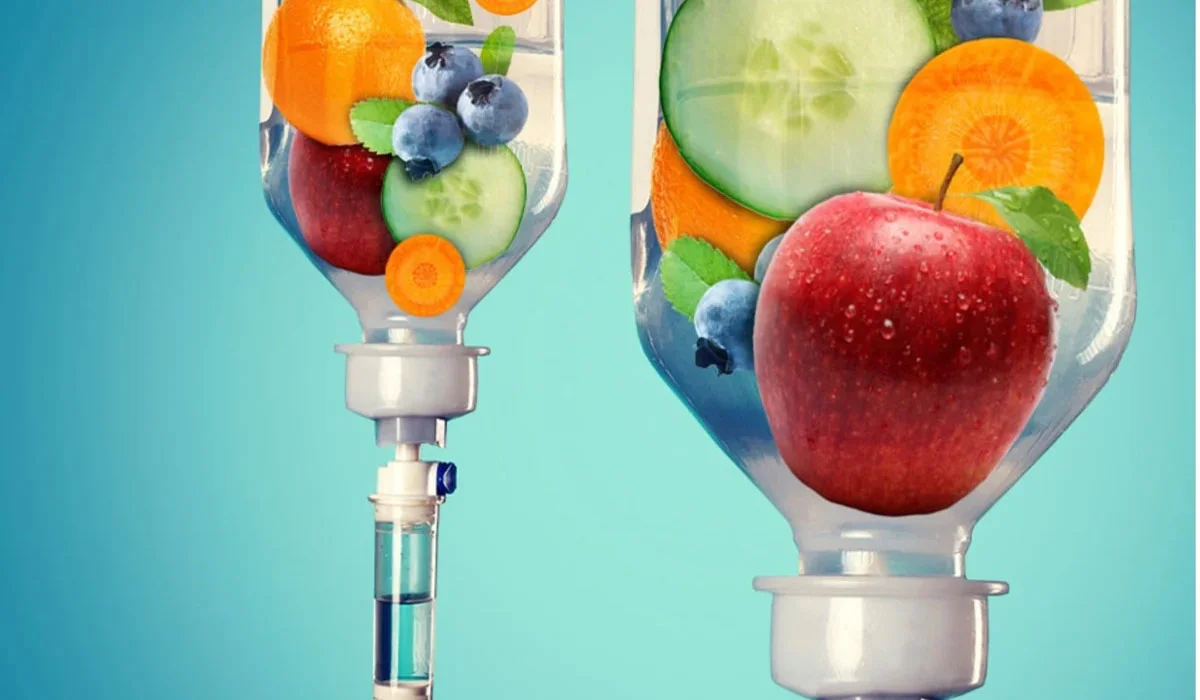
How to Maximize Vitamin Absorption by the Body
Maximize your body’s absorption of vitamins with the right foods, exercise, and the right time of consumption for best results.
Vitamins play a vital role in maintaining good health. Although often overlooked, without them, our bodies cannot function properly. Below The Health Universe will discuss several ways that can help maximize the absorption of vitamins into the body.
The Right Foods to Increase Vitamin Absorption
The body’s absorption of vitamins is greatly influenced by the type of food consumed. Vitamins A, D, E, and K are fat-soluble vitamins, meaning they require healthy fats for proper absorption. Therefore, consuming foods rich in healthy fats, such as avocados, fatty fish, or nuts, is crucial.
Additionally, foods rich in vitamin C, such as oranges, tomatoes, or bell peppers, can help the body absorb iron. Foods containing probiotics are also beneficial for improving digestive health, which indirectly supports vitamin absorption. Managing your diet by choosing the right foods will help the body absorb vitamins optimally for optimal health.
The Role of Physical Activity in Absorption
Exercise and physical activity directly play a role in maximizing vitamin absorption by the body. When we exercise, blood circulation improves, which helps distribute vitamins throughout the body. Physical activity can also stimulate the production of hormones that support vitamin absorption, such as vitamin D, which is more easily absorbed when the body is exposed to sunlight.
Furthermore, exercise increases the body’s metabolism, making nutrient absorption more efficient. The absorption of vitamins, such as vitamins B12 and D, is optimal when the body is active. Therefore, regular exercise will help the body utilize the vitamins consumed, making them more effective in maintaining health.
The Right Time to Take Vitamins
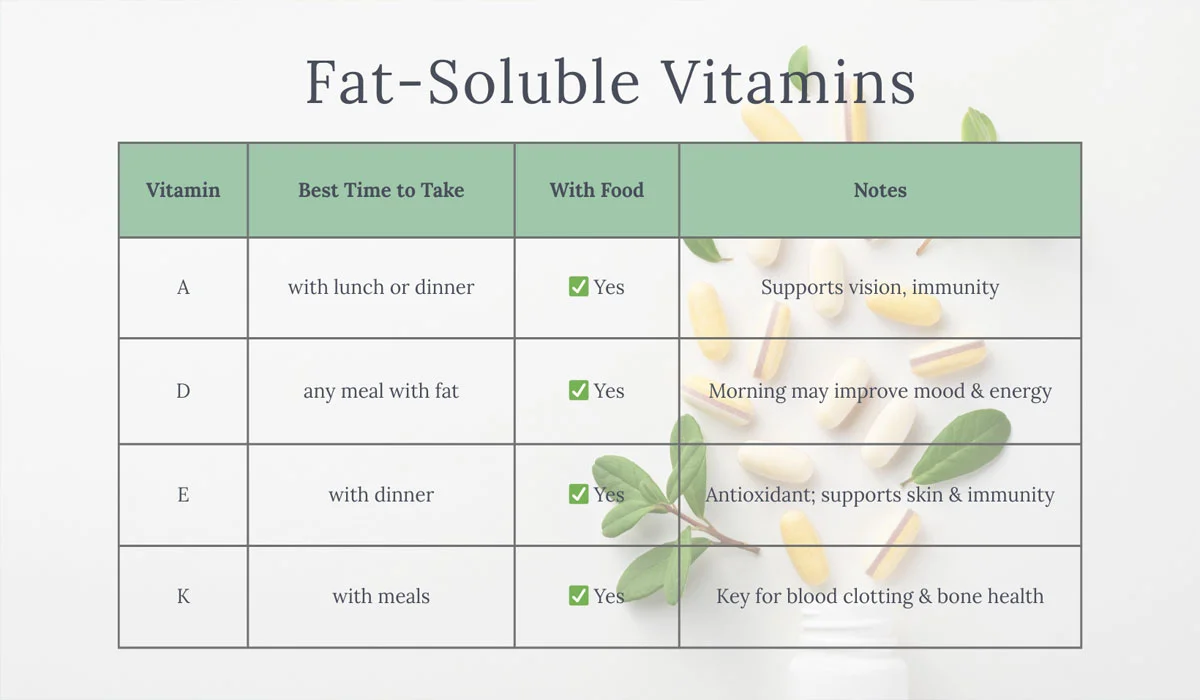
The timing of vitamin consumption plays a significant role in increasing the body’s absorption of vitamins. Water-soluble vitamins, such as vitamin C and B-complex, are best taken in the morning on an empty stomach, as the body absorbs them more quickly.
Conversely, fat-soluble vitamins, such as vitamins A, D, E, and K, are best taken after meals with foods containing healthy fats. Consuming vitamins at the right time helps the body absorb them optimally and ensures the body receives optimal benefits. Scheduling vitamin consumption can increase their effectiveness and support overall health.
Factors Affecting Vitamin Absorption
Several factors can affect how well the body absorbs vitamins. Age is a major factor; the older a person is, the more difficult it is for the body to absorb some vitamins, such as vitamin B12. Additionally, medical conditions such as digestive disorders or decreased liver function can also inhibit vitamin absorption.
Taking certain medications, such as antacids or antibiotics, can also reduce the body’s ability to absorb vitamins. Genetic factors also play a role in how the body utilizes vitamins. Therefore, maintaining a healthy diet and paying attention to your body’s condition are crucial for optimal vitamin absorption. This way, the body can get the maximum benefits from vitamins.
Supplements for Vitamin Absorption
Vitamin supplements can help the body if it is deficient in certain vitamins. Although food remains the primary source of vitamins, supplements can be a practical solution to meet the body’s needs. Supplements like vitamin D3, for example, are more easily absorbed in supplement form than relying solely on sunlight.
Vitamin B12 supplements are also important for people who do not consume animal products. However, supplements should be consumed wisely and tailored to the body’s needs. Consult a doctor or nutritionist to determine the appropriate dosage. Supplements can be a good support for vitamin absorption, but they do not replace the importance of a healthy and nutritious diet.
Image Information Source:
First Image: www.healthycell.com
Second Image: marieluisehuber.com