How to Claim Private Health Insurance Without Rejection
Effective strategies for getting your health insurance approved, including terms, benefit limits, and application procedures.
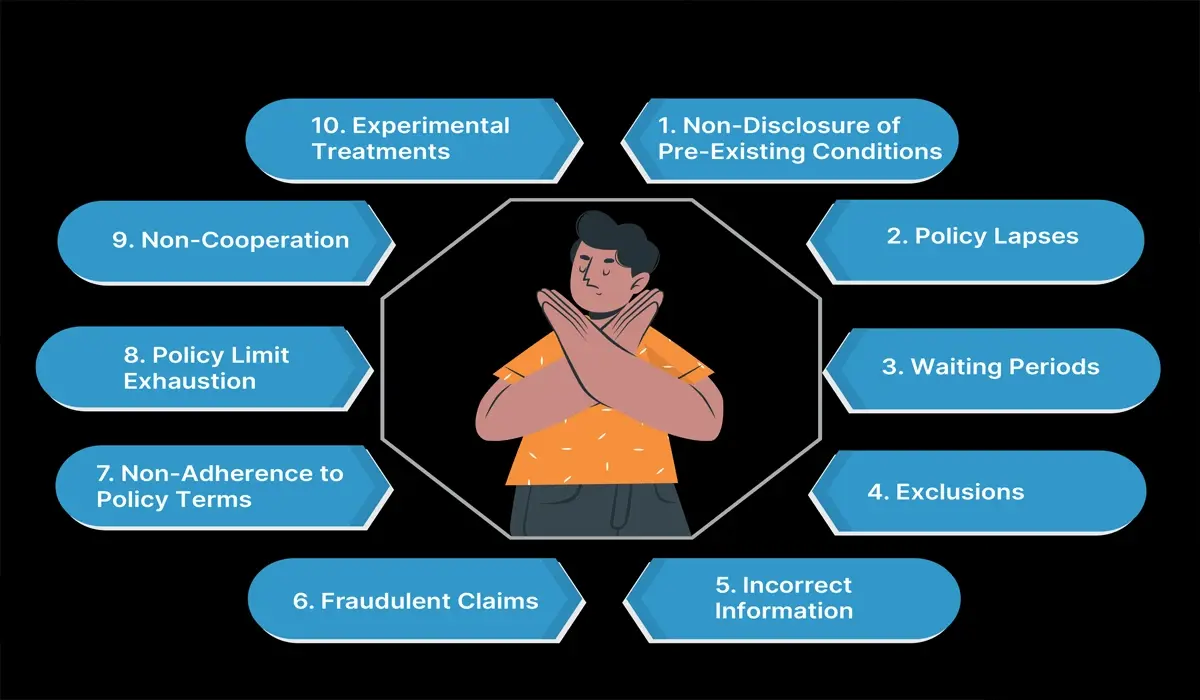
Managing private health insurance claims can sometimes be a confusing process for many people. Despite the significant benefits, many customers experience claim rejections due to administrative errors, incomplete documents, or improperly followed procedures. Understanding the correct steps for filing a claim is crucial to ensure a smooth process and full benefit from your insurance. The following The Health Universe, will discuss how to avoid rejection of a private health insurance claim, complete with practical tips and clear steps.
Understand the Insurance Policy and Terms
Before filing a claim, the first step is to carefully read and understand the insurance policy. The policy outlines the customer’s rights and obligations, including the types of illnesses or conditions covered, claim limits, and administrative procedures to follow. Lack of understanding the policy’s terms is often a major cause of claim rejections.
Furthermore, pay attention to the waiting period. Some private health insurance products impose a waiting period before a claim can be submitted, especially for certain illnesses or pre-existing conditions. Submitting a claim before the waiting period has expired will almost certainly result in rejection.
Finally, note down the required supporting documents. Standard documents usually include an identity card, insurance card, doctor’s referral letter, laboratory results, and hospital notes. Ensuring complete documents from the start can minimize the risk of rejection.
Prepare Documents Completely and Neatly
Complete and neat documents are key to claim approval. Each document must comply with insurance company requirements. For example, a hospital note must clearly state the patient’s name, diagnosis, medical procedures, and costs. Incomplete or unclear documents will raise questions and delay the claims process.
Furthermore, save documents in an easy-to-read format and photocopy them if necessary. Some insurance companies also accept claims digitally, so document scans must be of high quality to avoid missing or blurry information.
Don’t forget to keep copies of all documents. This is useful if the insurance company requests additional information or a dispute arises. Neat copies of documents also help you track the claims process for easier control.
Also Read: The Best Treatment from Zo Skin Health for Clearer And Brighter Skin
Submit Claims on Time
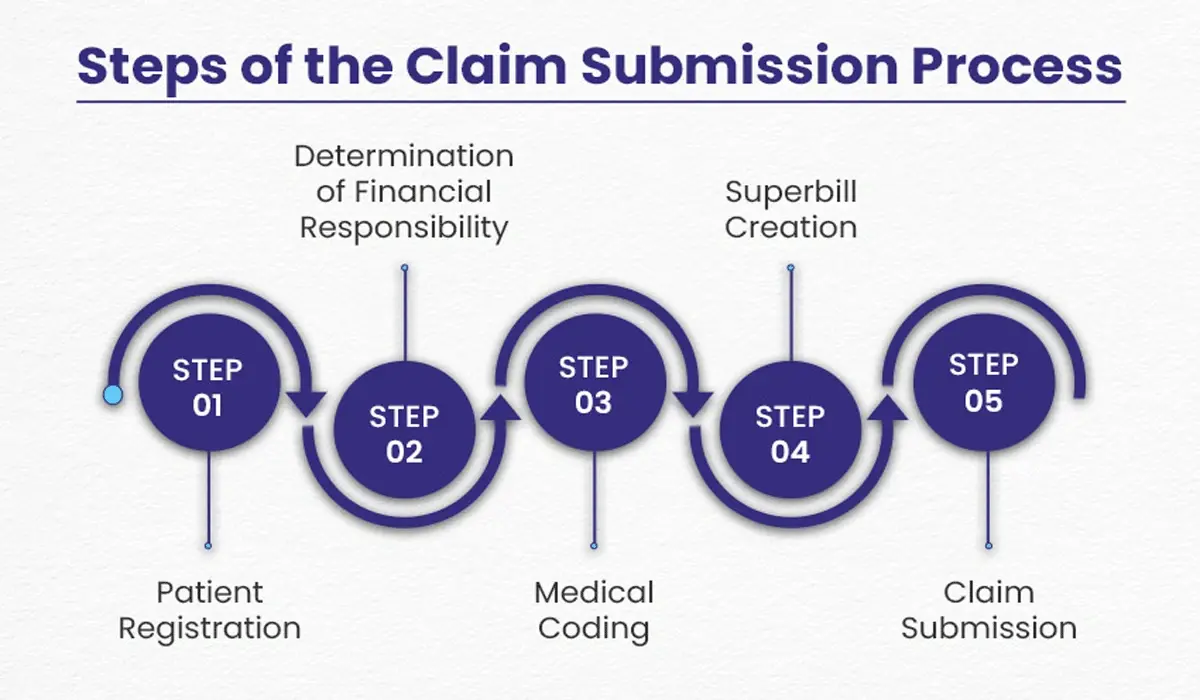
The timeframe for submitting a claim is crucial to avoid rejection. Each insurance company has a specific time limit from the time a medical procedure is performed until a claim can be submitted. Filing a claim too late after treatment can result in a claim rejection.
Also, ensure your claim is submitted through the official channels established by your insurance company. Some insurance companies provide online portals or apps that simplify claim submission. Following official procedures will expedite the verification process and minimize administrative errors.
If possible, communicate with your insurance company in advance. Asking for detailed procedures, additional required documents, and estimated claim processing times will help you prepare everything more accurately and reduce the risk of rejection.
Review and Follow Up on Your Claim
After submitting your claim, don’t immediately assume everything is complete. Double-check all submitted documents and ensure the insurance company has received them in full. Small errors, such as missing signatures or missing documents, can lead to a claim rejection.
Also, follow up regularly. Contact the call center or customer service to inquire about the status of your claim. Keep a record of every communication for reference in case of any issues. Regular follow-up can ensure your claim is processed on schedule and minimize the risk of delays.
If your claim is rejected, learn the reasons for the rejection in detail. Many insurance companies provide an appeals mechanism or resubmit with corrected documents. Knowing the reason for a rejection allows you to correct any deficiencies and increases the chances of your claim being approved next time.
Understanding the Policy Before Filing a Claim
One of the most crucial steps before filing a private health insurance claim is to thoroughly understand the policy. A policy is not just a formal document, but a comprehensive guide that explains your rights and obligations as a policyholder. It outlines the types of illnesses or medical conditions covered, the maximum claim limit, the filing procedure, and certain exclusions. Thank you for taking the time to explore this interesting information about Health Benefits and Challenges in The Health Universe, and we’ll provide you with much more information.
Image Information Source:
First Image: plancover.com
Second Image: bellmedex.com