The Function of Consultation for Health Care
Health care consultation plays a crucial role in maintaining and improving a person’s overall well-being.
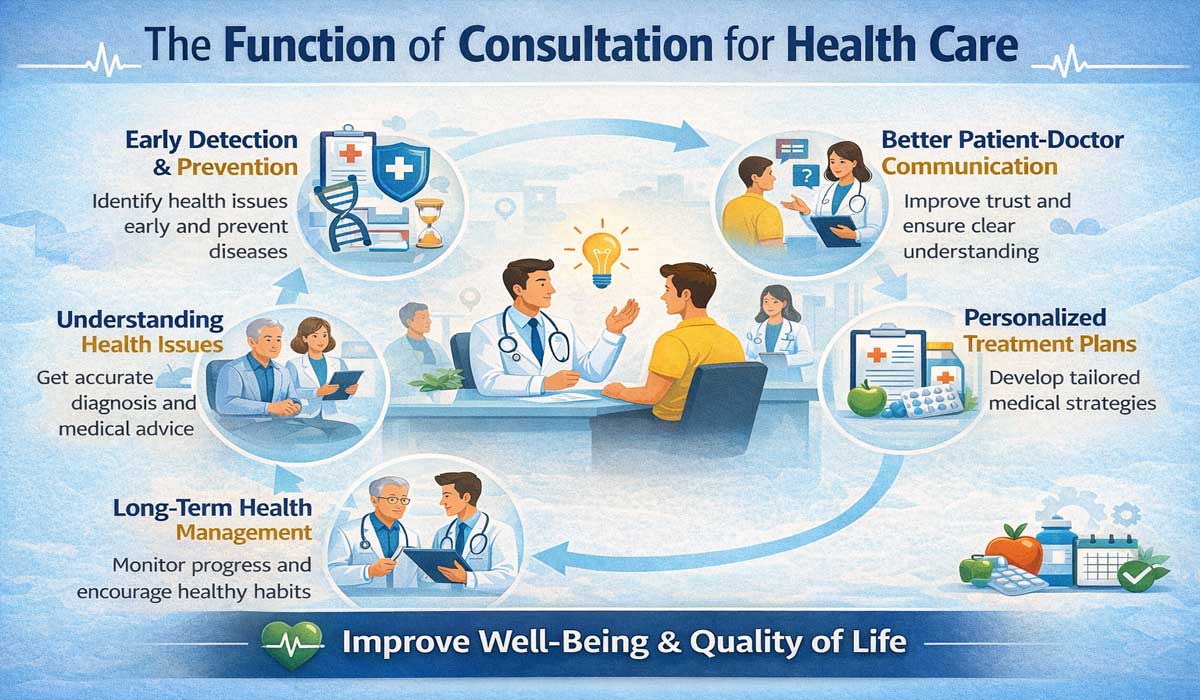
It serves as a bridge between patients and medical professionals, allowing individuals to receive accurate information, proper diagnosis, and suitable treatment recommendations. Through consultations, patients can better understand their health conditions and the steps needed to manage them effectively. In modern health systems, consultation has become an essential element for preventive care, early detection, and patient education.
Understanding the Purpose of Health Care Consultation
Health care consultation is a process where patients communicate with medical professionals to discuss symptoms, health concerns, and possible treatments. This interaction allows doctors, nurses, or specialists to evaluate a patient’s condition and provide medical advice based on professional knowledge and experience. Consultation helps ensure that individuals receive personalized guidance tailored to their specific health needs.
Beyond diagnosis, consultation also helps patients gain clarity about their health situation. Many people may feel anxious or confused when experiencing medical symptoms. By speaking with a professional, patients can receive explanations in understandable terms. This process reduces uncertainty and helps them make informed decisions about treatment options, lifestyle changes, and follow-up care.
Improving Early Detection and Prevention
One of the most important functions of health care consultation is supporting early detection of diseases. During consultations, medical professionals can identify warning signs that may not be obvious to patients. Regular health consultations allow doctors to monitor symptoms and detect potential health issues before they develop into serious conditions.
Preventive health care is another key benefit of consultation. Medical professionals can recommend screenings, vaccinations, and lifestyle adjustments to reduce the risk of illness. By identifying risk factors early, such as high blood pressure or poor nutrition habits, consultations help patients take preventive measures that protect their long-term health and improve quality of life.
Enhancing Communication Between Patients and Medical Professionals
Effective communication is a fundamental aspect of successful health care consultation. Through open dialogue, patients can describe their symptoms, concerns, and medical history more accurately. This information allows health care providers to make better assessments and develop appropriate treatment plans.
Consultations also encourage patients to ask questions about medications, procedures, and recovery expectations. When communication is clear and supportive, patients are more likely to follow medical advice. This cooperation between patient and provider improves treatment outcomes and strengthens trust within the health care relationship.
Supporting Personalized Treatment Plans
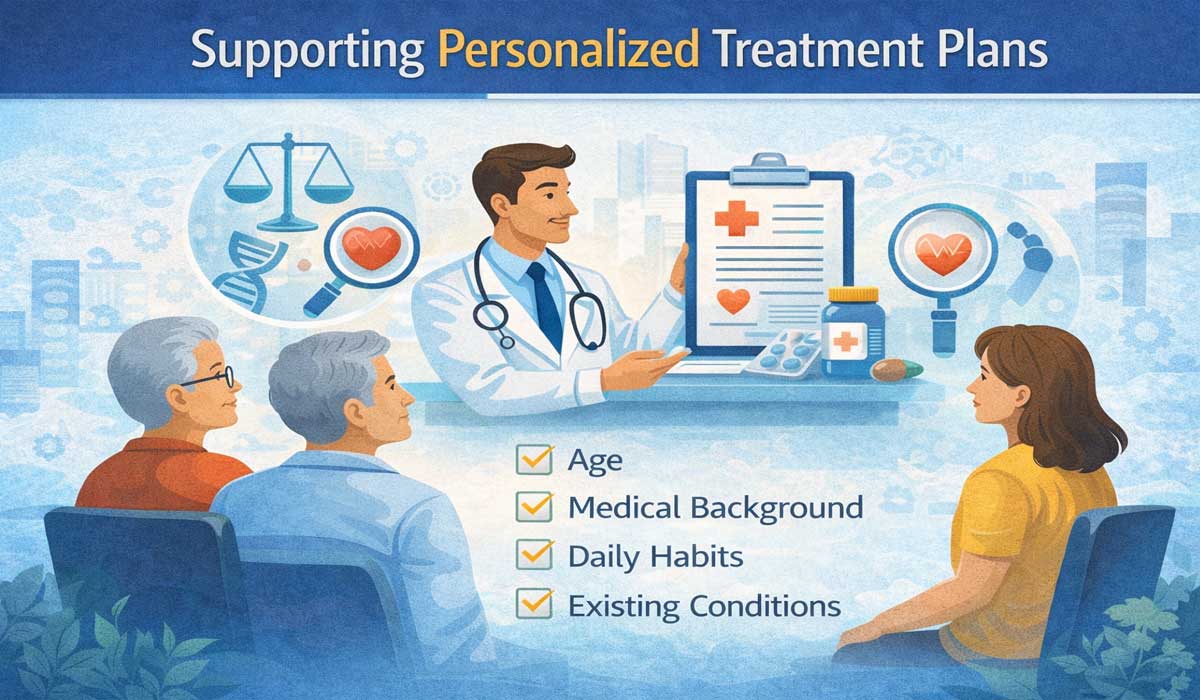
Every patient has unique health conditions, medical histories, and lifestyles. Health care consultations allow professionals to develop treatment plans tailored to each individual. Instead of using a one-size-fits-all approach, doctors can adjust therapies, medications, and lifestyle recommendations based on the patient’s specific needs.
Personalized treatment planning increases the effectiveness of medical care. During consultations, doctors may consider factors such as age, medical background, daily habits, and existing conditions. By taking these aspects into account, health professionals can design treatment strategies that are more realistic, manageable, and beneficial for the patient.
Encouraging Long-Term Health Management
Health care consultation is not limited to treating illnesses; it also plays an important role in long-term health management. Regular consultations help individuals track their health progress and identify any changes that may require medical attention. This ongoing monitoring ensures that treatment plans remain effective over time.
Long-term consultations also motivate patients to adopt healthier lifestyles. Medical professionals often provide advice about nutrition, exercise, stress management, and preventive habits. With continuous guidance, patients become more aware of how their daily choices affect their well-being. This awareness empowers individuals to maintain better health and prevent future medical complications.
Image Information Source:
First Image from: https://sterwebe.info/
Second Image from: www.medstarhealth.org