
Guide O Choosing The Right Private Health Insurance
Choosing the right private health insurance can feel overwhelming, especially with so many plans, providers, and terms to consider.
However, making the right decision is essential to ensure you and your family receive the best possible care without financial stress. A well-chosen plan not only protects your health but also provides peace of mind in uncertain situations.
By understanding your needs and evaluating your options carefully, you can confidently select a policy that truly supports your lifestyle and long-term well-being. Below The Health Universe we will discuss Private Health Insurance
Understanding Your Healthcare Needs
The first step in choosing the right private health insurance is identifying your specific healthcare needs. Everyone’s situation is different, so it’s important to consider factors such as age, medical history, lifestyle, and family health conditions. For example, individuals with chronic illnesses may require more comprehensive coverage, while younger, healthier individuals might focus on preventive care and basic protection.
Additionally, think about how often you visit doctors, whether you need specialist care, and if you expect any major medical procedures in the future. Understanding these needs will help you avoid paying for unnecessary coverage or, worse, being underinsured when you need care the most.
Comparing Coverage Options
Once you know your needs, the next step is to compare different insurance plans. Private health insurance policies can vary widely in terms of coverage, including hospitalization, outpatient services, prescription drugs, and preventive care. Carefully review what each plan includes and excludes.
It’s also important to check network restrictions. Some plans only cover treatment at specific hospitals or clinics, while others offer more flexibility. Choosing a plan with a broad network can be beneficial, especially if you travel frequently or prefer access to a wide range of healthcare providers.
Evaluating Costs And Premiums
Cost is a major factor when selecting a private health insurance plan. This includes not only the monthly premium but also out-of-pocket expenses such as deductibles, co-payments, and coinsurance. A plan with a low premium may seem attractive, but it could come with higher costs when you actually need medical care.
To make a smart decision, calculate the total potential cost based on your expected healthcare usage. Balance affordability with adequate coverage. Remember, the cheapest option is not always the best if it leaves you financially vulnerable during emergencies.
Read Also: Understanding Medicare Customer Service Best Ways to Get Help Quickly
Checking Policy Benefits And Limitations
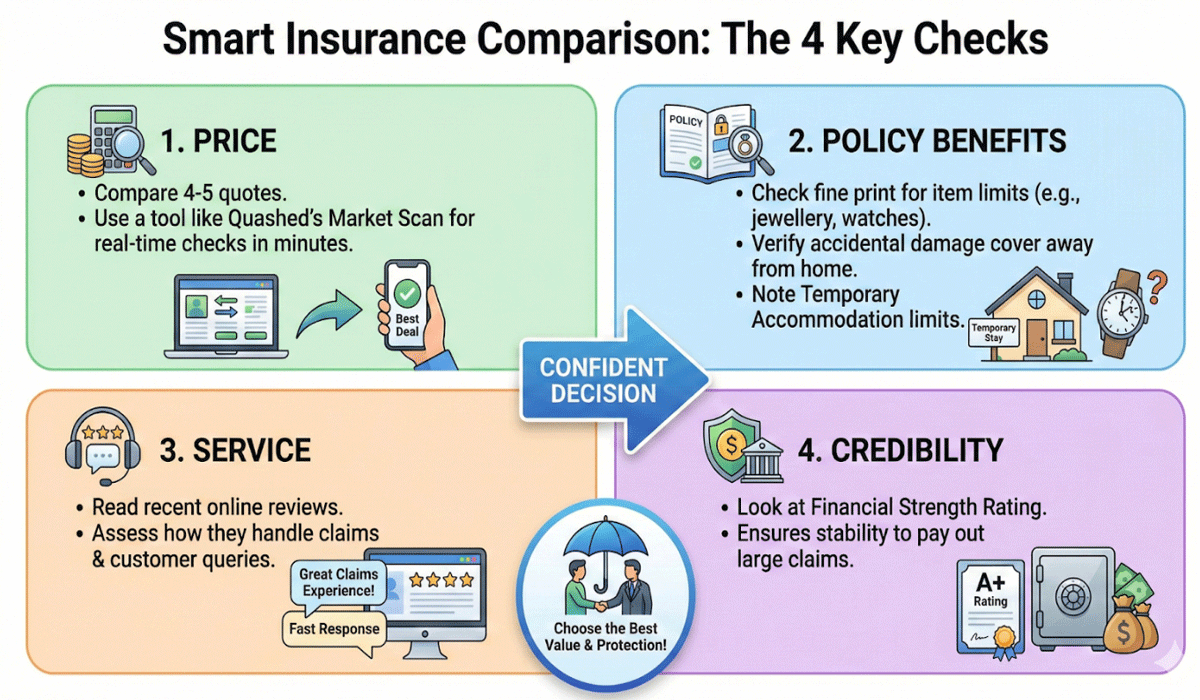
Every insurance policy comes with specific benefits and limitations, so it’s crucial to read the fine print. Look for details such as waiting periods, coverage limits, and exclusions for pre-existing conditions. Some plans may also offer additional benefits like maternity care, dental coverage, or wellness programs.
Understanding these details ensures there are no surprises later. It also helps you determine whether the policy aligns with your long-term health goals. A good insurance plan should provide both immediate and future value, not just basic protection.
Reviewing the Insurance Provider’s Reputation
Finally, consider the reputation and reliability of the insurance provider. Research customer reviews, claim settlement ratios, and overall service quality. A provider with a strong track record of handling claims efficiently can make a significant difference during stressful times.
Customer support is another important factor. Choose a company that offers clear communication, easy claim processes, and responsive assistance. Trustworthy providers not only deliver financial coverage but also ensure a smoother healthcare experience.
Conclusion
Choosing the right private health insurance requires careful thought and thorough research. By understanding your healthcare needs, comparing coverage options, evaluating costs, reviewing policy details, and selecting a reliable provider, you can make a well-informed decision. The right plan will not only safeguard your finances but also ensure access to quality healthcare whenever you need it.