How to Differentiate Genuine and Fake Supplements on the Market
Protect your health by understanding tips for choosing authentic, safe, legal, and officially registered supplements.
Health supplements are increasingly popular because they help meet daily nutritional needs that may not be met through food. However, high demand also opens up the opportunity for counterfeit products to circulate on the market. Counterfeit supplements are not only financially detrimental but also pose health risks due to their unsecured ingredients. Here The Health Universe, it’s important for consumers to understand how to distinguish between genuine and counterfeit supplements before purchasing.
Check Product Legality and Distribution Permit
The first step is to ensure the supplement has an official distribution permit from the Food and Drug Monitoring Agency (BPOM). Legal products will have a registration number that can be checked on the official BPOM website or its official app. This number is usually clearly printed on the packaging.
Counterfeit supplements often list invalid distribution permit numbers or even no distribution permit number at all. There are also cases where the number listed belongs to another product. Therefore, don’t just look at the presence or absence of a registration number; verify directly with official sources How to Differentiate Genuine and Fake.
In addition to the distribution permit, also pay attention to manufacturer and distributor information. Genuine products clearly list the company’s address and contact information. If the company information is incomplete, suspicious, or difficult to trace, you should be more cautious before purchasing.
Check the Packaging and Physical Product
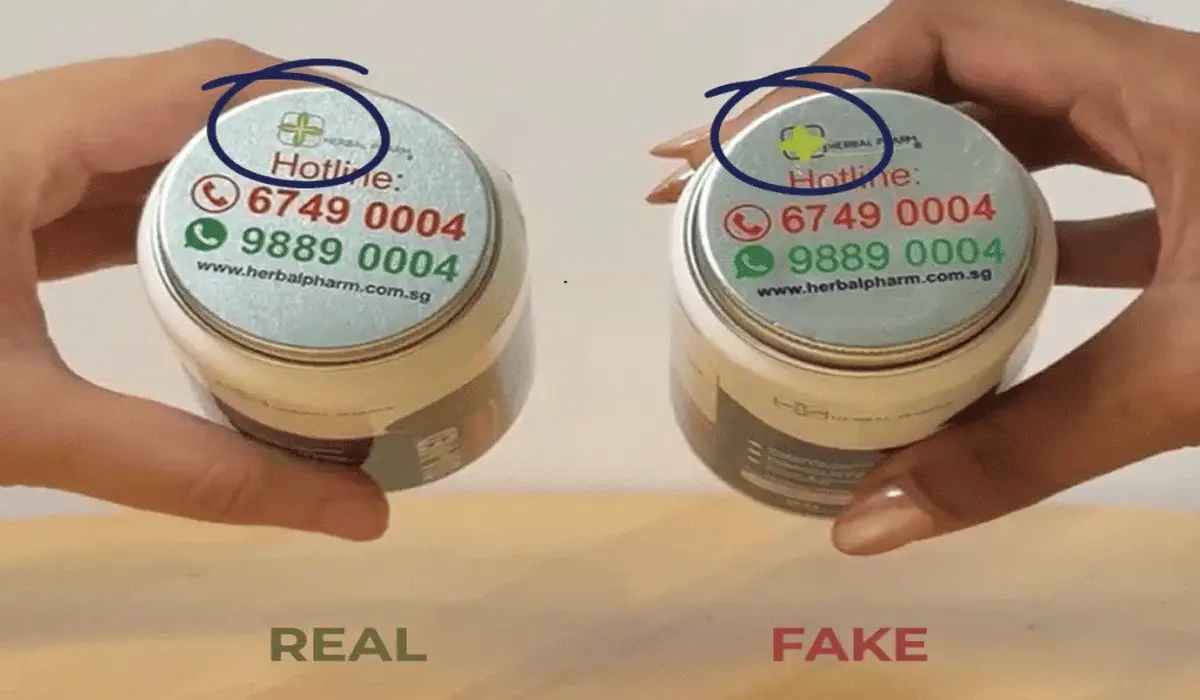
Packaging is an important indicator in distinguishing genuine supplements from fake ones. Genuine products generally have neat printing quality, sharp colors, clear writing, and are not easily faded. Security seals are also well-attached and undamaged.
Conversely, counterfeit supplements often have packaging with blurry printing, misspellings, or designs that differ slightly from the official version. Small differences such as an inaccurate logo or an off-color can be warning signs.
In addition to the outer packaging, also examine the physical condition of the product inside. Tablets, capsules, or powders from genuine products usually have a consistent shape, color, and aroma. If there are any noticeable changes, such as a strange odor, uneven color, or a different texture than usual, it’s best not to consume them.
Also Read: The Health Universe, Premium Skin Care Solutions For Modern Life
Compare Prices and Where to Buy

Excessively low prices are often an indicator of a counterfeit product. If a supplement is being sold significantly below market price without any clear reason, such as an official promotion, you should be suspicious. Official manufacturers generally maintain stable prices through trusted distributors.
Buying supplements from the right place is also very important. Choose a pharmacy, a trusted vitamin store, or an official store on the marketplace. Avoid buying from anonymous sellers with no reputation or clear reviews.
Furthermore, pay attention to the distribution method. Genuine products usually have transparent and traceable distribution channels. If the seller cannot explain the product’s origin or provide proof of purchase from an official distributor, you should reconsider your purchase.
Pay Attention to the Composition Label
Genuine supplement products provide complete label information, including ingredients, directions for use, warnings, and expiration dates. This information is written in clear, easy-to-understand language.
Fake supplements often include exaggerated benefit claims, such as “cures all diseases” or “instant results without side effects.” Claims like these are important to be wary of because supplements are primarily nutritional supplements, not primary medications for treating disease.
Also, pay attention to the expiration date and production batch number. Genuine products should clearly and neatly display this information, not just pasted on. If the label appears easily removable or is printed unprofessionally, the product is likely not authentic How to Differentiate Genuine and Fake.
Consuming Fake Supplements on Health
Consuming counterfeit supplements can pose serious health risks because their ingredients are not guaranteed to be safe or of high quality. Counterfeit products may not contain the active ingredients listed on the label, contain incorrect dosages, or even be contaminated with hazardous substances such as heavy metals and illegal chemicals. Without oversight by the Food and Drug Monitoring Agency (BPOM), these products have the potential to harm organs such as the liver and kidneys in the long term. Thank you for taking the time to explore this interesting information about How to Differentiate Genuine and Fake Supplements in The Health Universe, We will provide much more information soon.
Image Information Source:
First Image: herbalpharm.com.sg
Second Image: shutterstock.com