
What Is Private Health Insurance And Why Is It Important Today!
Learn what private health insurance is, how it works, and why it is important for better healthcare access and financial protection.
As medical costs continue to rise globally, many individuals seek additional coverage beyond public healthcare systems. Private health insurance offers faster access to treatment, a wider choice of healthcare providers, and more personalized medical services.
Understanding The Health Universe how it works and why it matters can help individuals make better financial and health decisions for the future.
Understanding Private Health Insurance
Private health insurance is a type of coverage purchased from a private company to help pay for medical expenses. It typically covers services such as hospital stays, doctor consultations, surgeries, and prescription medications depending on the policy. Unlike public systems, it is funded through monthly or annual premiums paid by the policyholder.
This type of insurance allows individuals to access healthcare services more quickly and with greater flexibility. Policyholders often benefit from shorter waiting times and access to private hospitals or specialists. Coverage options vary widely, making it important to choose a plan that fits personal health needs and financial capacity.
How Private Health Insurance Works
Private health insurance operates on a risk-sharing model where many policyholders contribute premiums to create a shared fund. When a member requires medical care, the insurance provider covers all or part of the expenses based on the agreed policy terms. This reduces the financial burden of unexpected medical costs.
Most plans require policyholders to pay deductibles or co-payments before full coverage applies. The extent of coverage depends on the selected plan, which can range from basic hospitalization to comprehensive medical protection. Understanding policy details is crucial to avoid unexpected out-of-pocket expenses.
Key Benefits Of Private Health Insurance
One of the main benefits of private health insurance is faster access to medical services. Patients can often schedule appointments and receive treatments without long waiting periods, which is especially important for urgent or specialized care.
Another advantage is the ability to choose healthcare providers. Policyholders can select hospitals, doctors, or specialists that best meet their needs. Many plans also offer additional perks such as preventive care, wellness programs, and international coverage for travelers.
Read Also: Protect Yourself, Peace Of Mind With Health Insurance
Differences Between Public And Private Healthcare
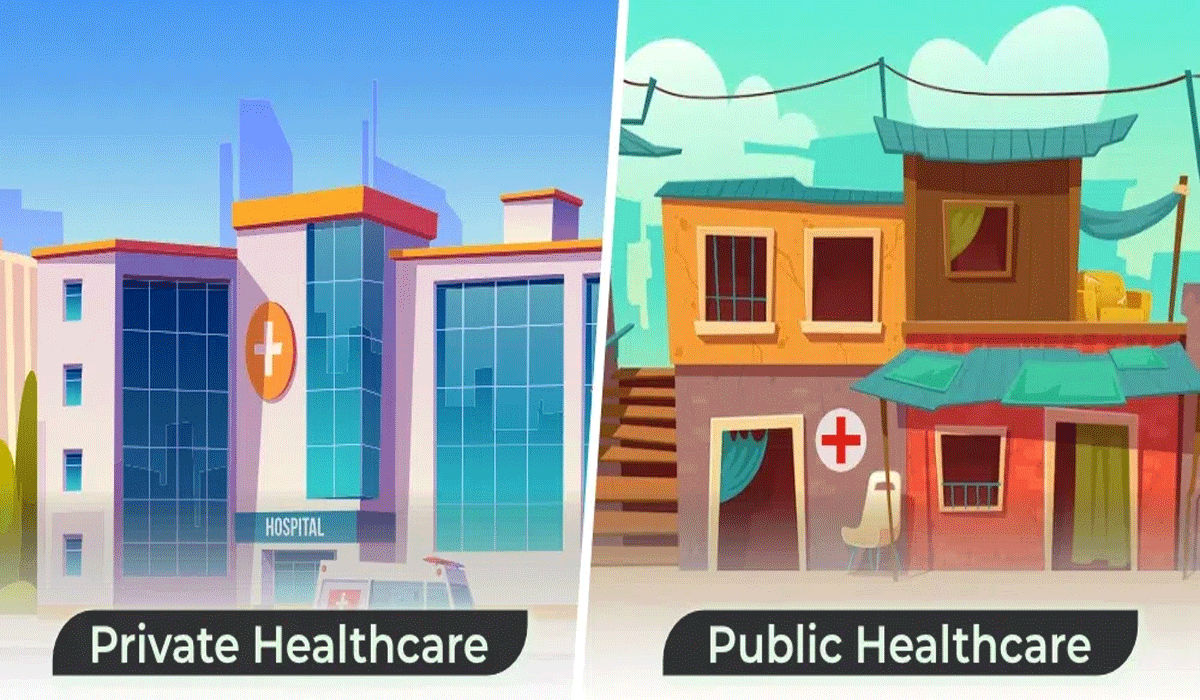
Public healthcare is typically funded by the government and aims to provide basic medical services to all citizens. While it is often more affordable or free, it may come with longer waiting times and limited choices of providers.
Private health insurance, on the other hand, offers more flexibility and convenience. It allows patients to access a broader range of services and facilities. However, it usually requires regular premium payments, making it a more personalized but costly option compared to public systems.
Factors To Consider When Choosing A Plan
Choosing the right private health insurance plan requires careful evaluation of several factors. These include coverage scope, premium costs, hospital networks, and exclusions. A good plan should balance affordability with adequate medical protection.
It is also important to consider personal health needs and family medical history. Some individuals may require specialized coverage for chronic conditions or maternity care. Comparing different insurance providers helps ensure that the selected plan offers the best value and benefits.
The Growing Importance Of Private Health Insurance
In today’s world, healthcare costs are increasing, and medical needs are becoming more complex. Private health insurance plays a key role in ensuring financial protection and access to quality healthcare services when they are needed most.
It also provides peace of mind by reducing uncertainty during medical emergencies. With growing demand for better healthcare experiences, private insurance continues to be a valuable investment for individuals and families seeking security and convenience.
Conclusion
Private health insurance is an important tool for managing healthcare costs and improving access to medical services. It offers flexibility, faster treatment, and broader provider choices compared to public systems. As healthcare needs evolve, having the right insurance plan can significantly improve both financial stability and quality of care.
For the latest and most interesting related information, you can also click the TEACHING link.
Image Source:
- First Image From: goodstats.id
- Second Image From: geeksforgeeks.org